Short answer
The 16 zones of Vastu divide a house into 16 directions, and each zone looks after one part of life: North for money and opportunity, North-East for clarity, South-East for cash, South-West for relationships and North-West for support. Guruji says that when remedies still do not bring the goal, look at the four devta fields: Bhudhar, Aryama, Mitra and Vivaswan.

▶ Watch the full video · 16 min · Vastu Guruji (in Hindi)
What are the 16 zones?
Guruji opens the Vastu Chakra on his screen and asks a simple question: what are these 16 zones, these 32 entrances and this Brahmasthan? He says it is very easy and not difficult at all. Every zone of the house looks after one part of life. If you do not have the chakra yet, download the free Vastu Chakra PDF and follow along, zone by zone.
The zones from North to South
North is the zone of money and opportunity: new work and new chances come from here. NNE governs health and immunity, like the immune system that keeps fighting outside bacteria and holds a balance. NE is the zone of clarity: every thought that comes to us comes from here. ENE is fun and recreation: joy in the home and being able to enjoy money and life.
East is social connection. ESE is churning: whatever keeps running in our mind all day. SE is everyone’s favourite, the zone of cash. SSE is power and confidence: the person who raises his voice, or phones someone to ask for his money, needs this confidence. South is the zone of fame (yash) and of our name.
The zones from South-South-West to North-North-West
SSW is linked with a clean stomach: food, digestion and passing stool. In the same way, from all we have earned, the wastage should go out and the pure part should stay. SW is relationships, between traders and between family members. Guruji says a trader is truly successful when his own people start saying “he has become successful”. WSW is education and savings: whatever you can keep safe in your mind, body and home. West is profit and gains, wish fulfilment and friends; inputs of some devtas also join here.
WNW is the zone of depression. The energy of any zone comes straight to the zone opposite it. When the churning of ESE, the push to reach a goal, does not bear fruit, the opposite zone WNW becomes active. It is also called the room of sorrow (shok griha): a sad person wants a quiet place to settle the sadness. NW is support from friends, traders and relatives, the zone through which people join and stand with you. NNW is sex and attraction: whatever you want to buy, meet or understand. In business, people should like a trader’s goods and feel drawn to them.
| Zone | What it governs (in Guruji’s words) |
|---|---|
| N | Money and opportunity, new work |
| NNE | Health and immunity |
| NE | Clarity, every new thought |
| ENE | Fun and recreation, enjoying life |
| E | Social connection |
| ESE | Churning, what runs in the mind all day |
| SE | Cash |
| SSE | Power and confidence |
| S | Fame and name |
| SSW | Digestion; letting waste go, keeping the pure part |
| SW | Relationships |
| WSW | Education and savings |
| W | Profit and gains, wish fulfilment, friends |
| WNW | Depression, the room of sorrow |
| NW | Support from friends, traders and relatives |
| NNW | Sex and attraction |
Why remedies sometimes fall short: the four devta fields
Now comes the most important point. Guruji has seen that even after many remedies and much advice, something still stops a person from reaching the goal. For this he points to four devta fields:
- Bhudhar is the taskmaster. When a trader keeps doing his work without a break and his interest stays, that is Bhudhar. A child who studies regularly and goes to school every day: any work done continuously is connected with Bhudhar.
- Aryama increases your mixing with the world and opens up more connections. The footfall that comes into a shop comes through Aryama.
- Mitra is the circle of friends and wish fulfilment: a person who always stands with you, without any self-interest.
- Vivaswan is the feeling of “that was great, today was a success”, and also a peaceful night’s sleep.
Four moods, four sources of happiness
Guruji says these four devta fields are moods (manobhav) that keep running in a person’s mind all day. Sometimes one mood becomes strong: some days we spend with friends, some at weddings and functions, some only working, and some in a relaxing mood.
He calls them the four sources of happiness. When you finish a piece of work, you feel happy. When people give you regard for that work, you feel happy again; that regard comes from Vivaswan. And when that same thing is carried further, spread out and taken to more people, that is the feeling of Mitra. These feelings are very important for balance. Do you know anyone who never steps out of the house, or anyone who gives no value to friends? There is no such person.
Springs in metal and the devta set
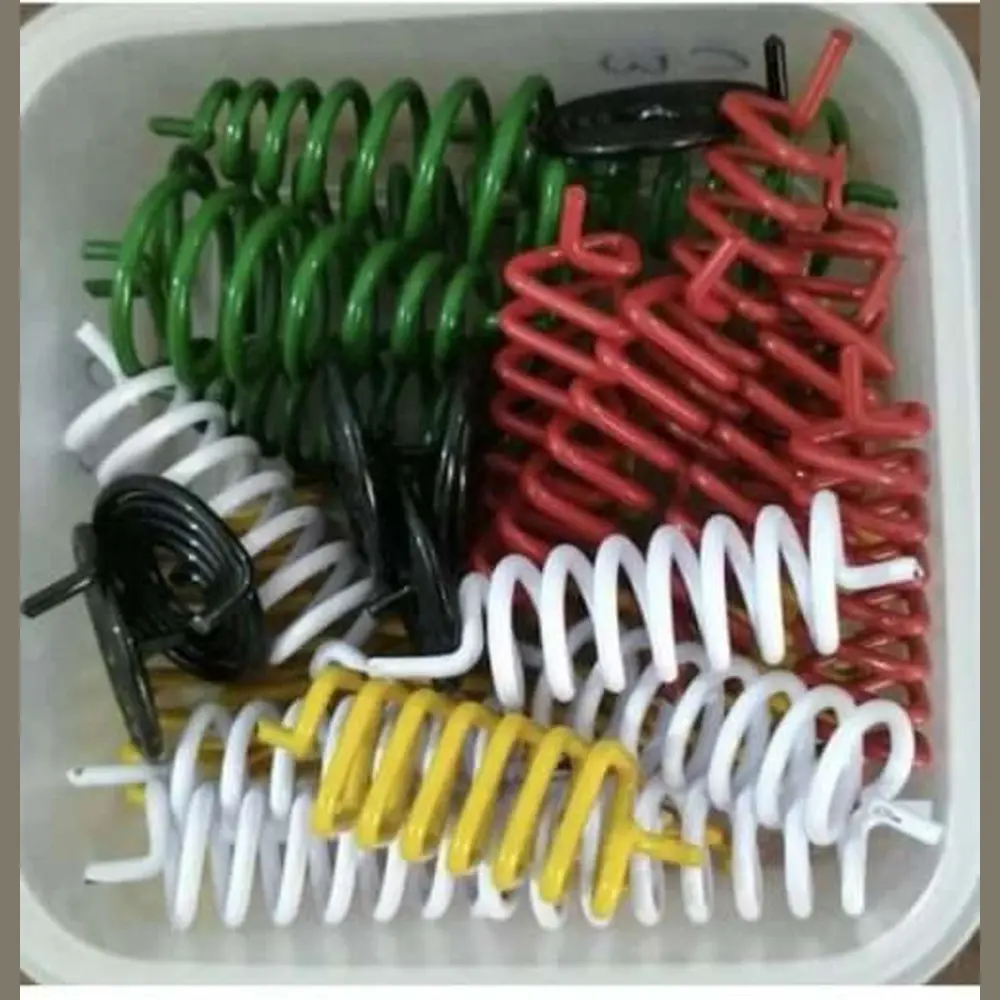
Guruji then shares something new: in a property these moods sometimes turn clockwise or anti-clockwise. So he has had springs made for them in metals. The colour of Bhudhar in the North is red, so for Bhudhar he made red springs of copper. Why Bhudhar is red, Aryama blue, Mitra white and Vivaswan green, he asks you not to ask now; that is explained in the 45 powers course.
For a house of about 1000 sq ft, one devta set and one set of four springs make the combination to increase an energy field. You can fit them on two opposite sides, using the devta or the springs, or you can fit all four. Guruji says all four together play a very important role in balancing the atmosphere of the home. There are separate videos on how to install them.
Four virtual entries
Guruji has also made four virtual entries, each with its own colour and metals. He calls it a new technique to open a virtual entry, tried many times with very good experiences.
- W4 — red: two pieces of copper, with one important element placed in the middle.
- N4 — blue: two pieces of aluminium and one important element.
- E4 — green: two pieces of stainless steel and one important element.
- S4 — yellow: two pieces of brass and one important element.
Results depend on your own thinking
Guruji’s last point: these energy fields are moods. They work very well, but how much they work depends on the thinking of the person. His own thinking is to spread this across the country and make these energy fields so simple that people fit them at home with their own hands, with no need for a consultant or a phone call. He wants to do this work in India itself. Every person has a circle of thinking, and the results grow as far as that circle goes.
Frequently asked questions
What are the 16 zones of Vastu?
N, NNE, NE, ENE, E, ESE, SE, SSE, S, SSW, SW, WSW, W, WNW, NW and NNW. According to Guruji each zone looks after one part of life, such as North for money and opportunity and South-East for cash.
Which zone is for money in Vastu?
According to Guruji, North is the zone of money and new opportunities, South-East is the zone of cash, and West is the zone of profit and gains.
Which zone is the zone of depression in Vastu?
West-North-West (WNW) is called the zone of depression and the room of sorrow. Guruji says that when the churning of ESE does not bear fruit, its opposite zone WNW becomes active.
Which direction is for relationships in Vastu?
South-West (SW) is the zone of relationships, between traders and between family members. For support from friends, traders and relatives, the North-West (NW) zone is seen.
What do Bhudhar, Aryama, Mitra and Vivaswan give in Vastu?
Bhudhar gives the power to keep working without a break, Aryama gives connections and footfall in a shop, Mitra gives selfless friends and wish fulfilment, and Vivaswan gives the feeling of a successful day and peaceful sleep. Guruji calls them the four sources of happiness.
Products used in this lesson
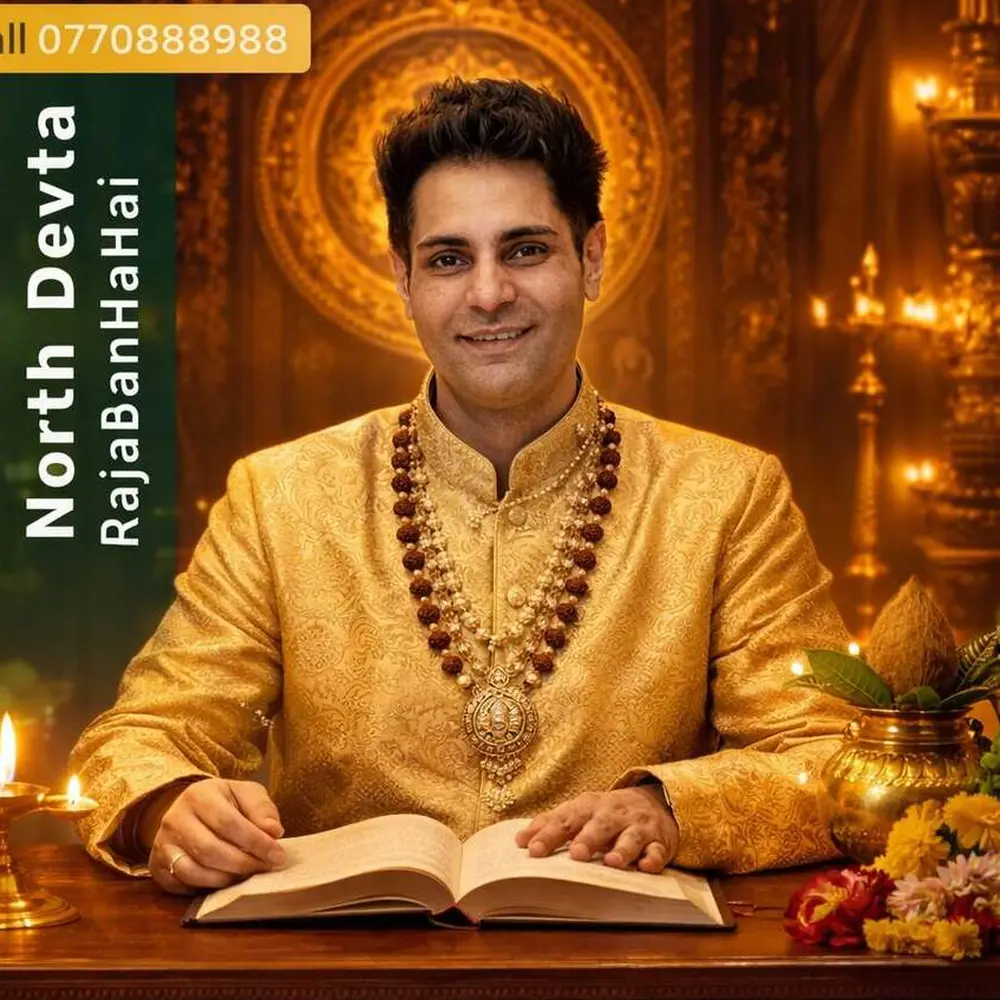 Advance Devta Field Booster — Budhar (North) Original price was: ₹4,500.₹2,490Current price is: ₹2,490.View →
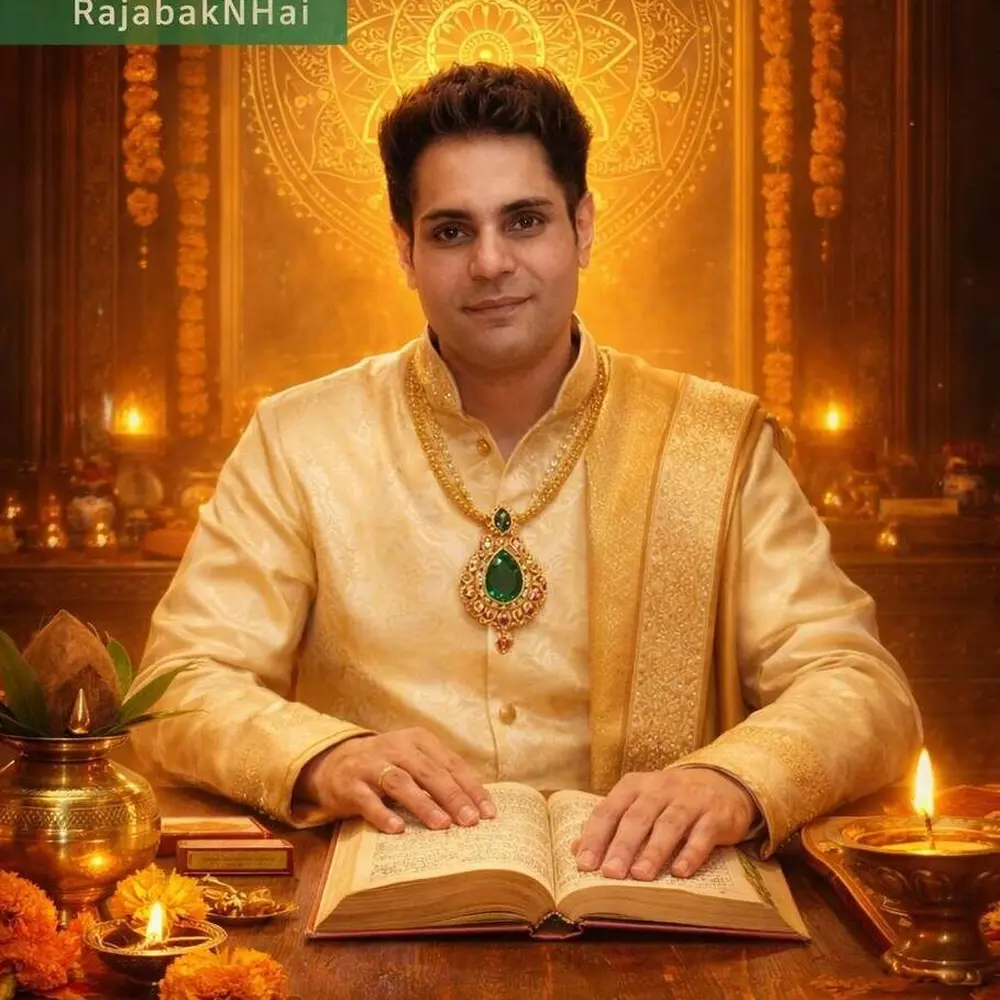 Advance Devta Field Booster — Arayama (East) Original price was: ₹4,500.₹2,490Current price is: ₹2,490.View →
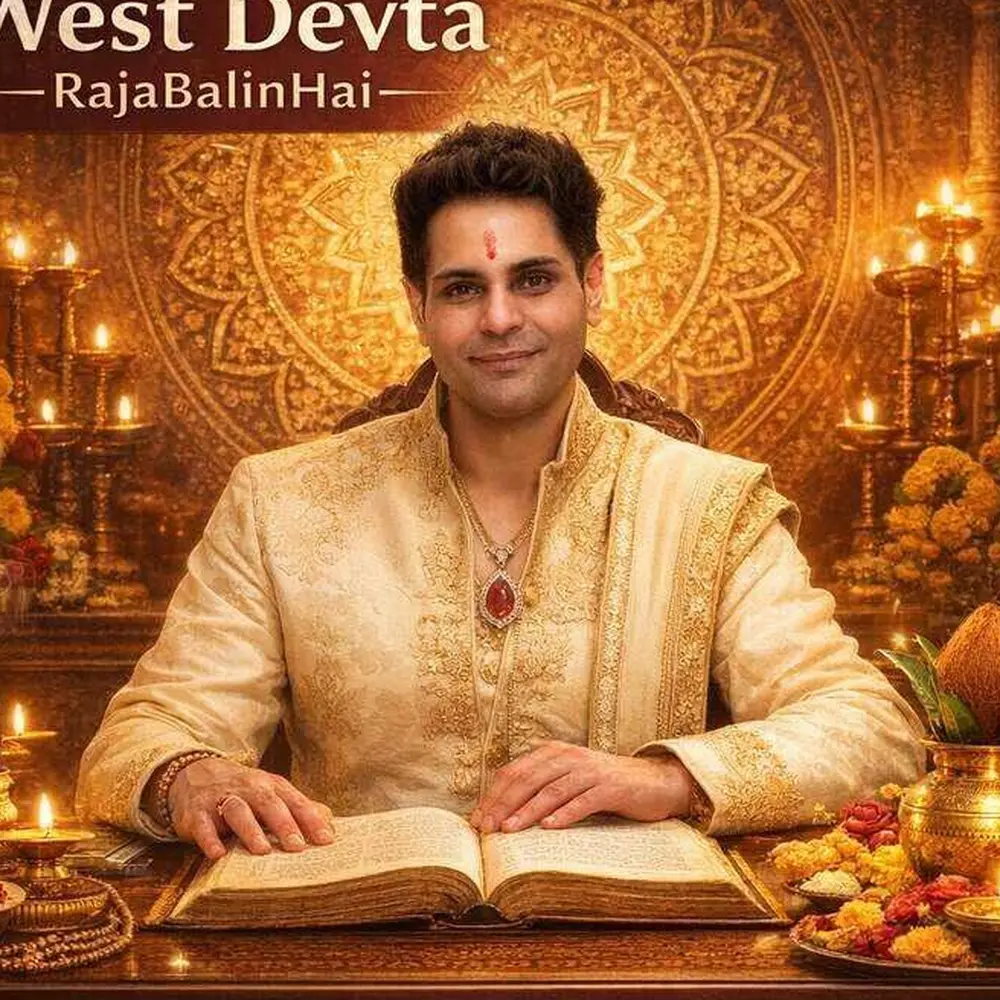 Advance Devta Field Booster — Mitra (West) Original price was: ₹4,500.₹2,490Current price is: ₹2,490.View →
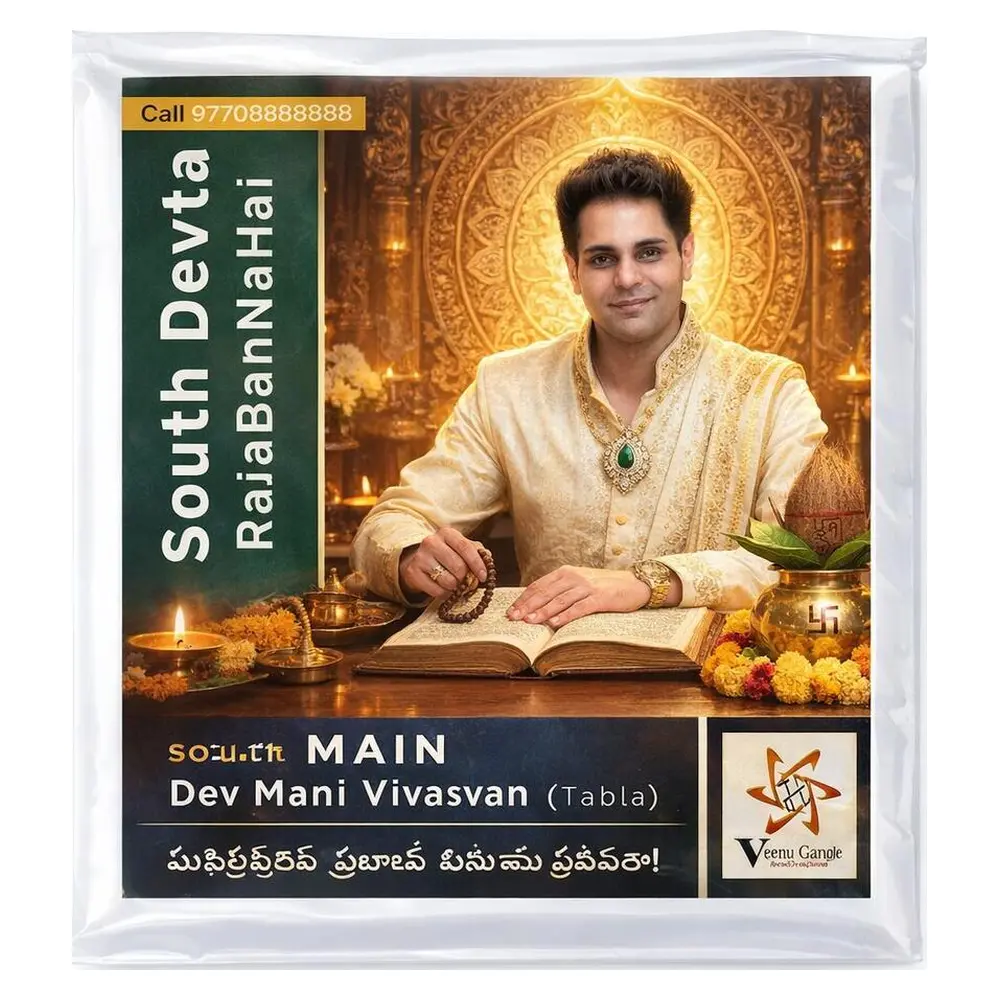 Advance Devta Field Booster — Viviswan (South) Original price was: ₹4,500.₹2,490Current price is: ₹2,490.View →
 Vastu Metal Springs₹990View →
All payments online — UPI / PhonePe / GPay / card.
📖 Read more: 45 वास्तु देवता — नाम, दिशाएँ और वास्तु पुरुष मंडल — detailed guide by Vastu Guruji Rana Sikander (vastuguruji.in).